What to Do After a Commercial Truck Accident
October 6, 2026
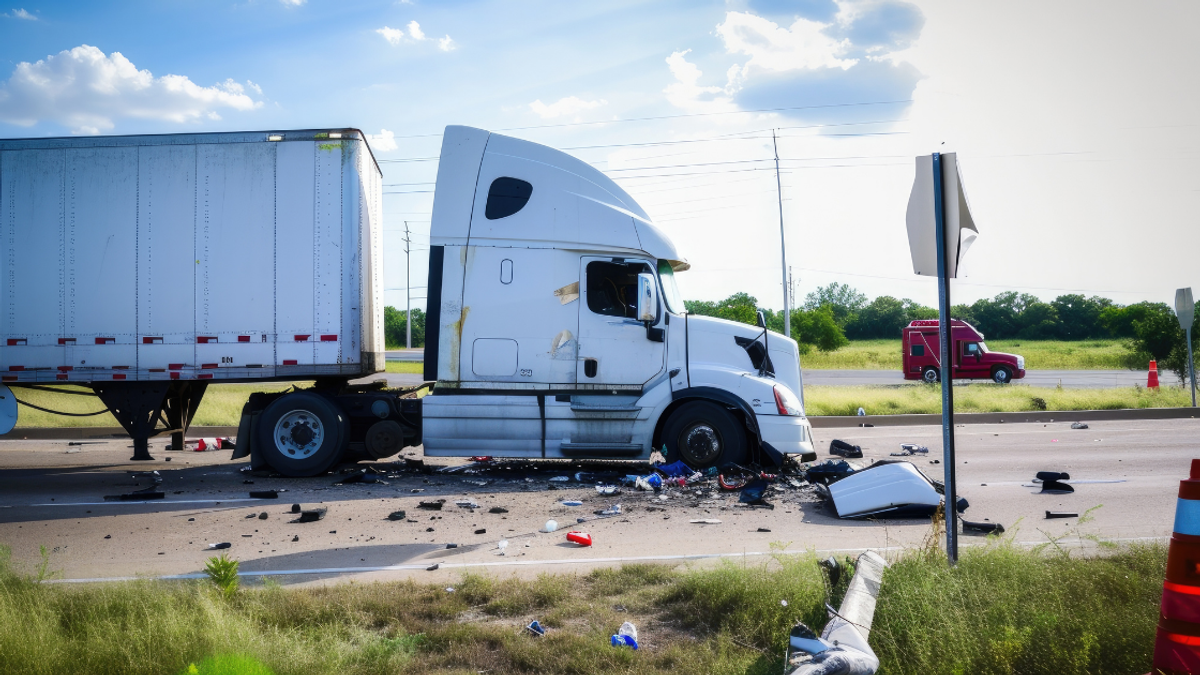
A commercial truck accident can quickly involve driver safety, traffic hazards, cargo, damaged equipment, law enforcement, and recovery operations.
Knowing what to do immediately after an accident can help protect everyone at the scene and make the recovery process more organized.
1. Prioritize Safety
The first priority is the safety of the driver, passengers, and everyone around the scene.
If anyone may be injured or there is an immediate danger, contact emergency services.
Avoid entering active traffic or approaching unstable vehicles, leaking fluids, damaged cargo, or other hazards.
2. Secure the Scene When It Is Safe
If the vehicle can be moved safely and authorities permit it, move away from active traffic when possible.
Turn on hazard lights and follow applicable commercial vehicle procedures for warning devices.
Do not attempt to reposition a severely damaged, overturned, or unstable vehicle without professional assistance.
3. Contact the Appropriate Authorities
Depending on the circumstances, law enforcement or emergency responders may need to attend the scene.
Provide accurate information about:
- Your location
- Vehicles involved
- Injuries, if known
- Roadway hazards
- Cargo concerns
- Fuel or fluid leaks
Follow instructions from emergency personnel at the scene.
4. Notify Your Company or Fleet
Drivers should contact their dispatcher, fleet manager, safety department, or other designated company contact as soon as it is safe to do so.
They may need to coordinate:
- Insurance information
- Cargo arrangements
- Towing destination
- Replacement equipment
- Customer or broker communication
- Repair facilities
Clear communication helps everyone involved understand what happens next.
5. Document the Situation
When it is safe and appropriate, document the scene.
Useful information may include:
- Photos of vehicle damage
- Trailer condition
- Cargo condition
- Roadway position
- Surrounding area
- Other involved vehicles
- Relevant signs or landmarks
Drivers should also follow their company's accident-reporting procedures.
6. Do Not Attempt a Complex Recovery Yourself
Commercial trucks and trailers can become unstable after an accident.
A vehicle may appear secure while still having:
- Shifted cargo
- Damaged suspension
- Compromised tires or wheels
- Structural damage
- Unstable trailer positioning
- Difficult terrain around the vehicle
Attempting to move or recover heavy equipment without the proper tools can make the situation worse.
7. Give Recovery Dispatch Accurate Information
If heavy-duty towing or recovery is needed, dispatch will need to understand the situation before sending equipment.
Be prepared to provide:
- Exact location
- Truck and trailer type
- Loaded or empty status
- Approximate load information when relevant
- Whether the vehicle is upright or overturned
- Whether it is on or off the roadway
- Visible damage
- Condition of the wheels and axles
- Whether cargo has shifted
- Requested towing destination
Photos may also help the recovery team assess the scene when requested.
8. Accident Recovery May Require More Than a Tow
Some accident scenes require specialized recovery before the vehicle can be transported.
Depending on the situation, this may involve:
- Heavy-duty winching
- Vehicle repositioning
- Trailer recovery
- Load shift recovery
- Removal from a ditch or soft shoulder
- Towing damaged equipment
- Transport to a repair facility or fleet location
The exact recovery method depends on the vehicle, cargo, damage, and conditions at the scene.
9. Coordinate the Towing Destination
Before the vehicle is moved, confirm where it should be taken.
Possible destinations include:
- Repair facility
- Dealership
- Fleet terminal
- Truck yard
- Storage facility
- Other authorized location
Having the destination confirmed helps avoid unnecessary delays once recovery is complete.
10. Work With a Heavy-Duty Recovery Provider
Accident recovery involving commercial vehicles requires equipment appropriate for large trucks, trailers, and heavy equipment.
Nova Towing & Recovery provides 24/7 heavy-duty towing and recovery support for:
- Semi trucks
- Commercial trailers
- Box trucks
- Delivery vehicles
- Construction equipment
- Other commercial vehicles
Our services include accident recovery, winch-outs, load shift recovery, long-distance towing, and roadside assistance.
Need Accident Recovery Assistance?
For heavy-duty towing or recovery assistance, contact Nova Towing & Recovery.
Call (815) 323-6000
Available 24/7